3D factory and equipment model
Represent buildings, lines, machines and key assets with usable spatial context.
Map factories, equipment and production data into an interactive 3D digital twin that helps teams understand status, location, alarms and process relationships.
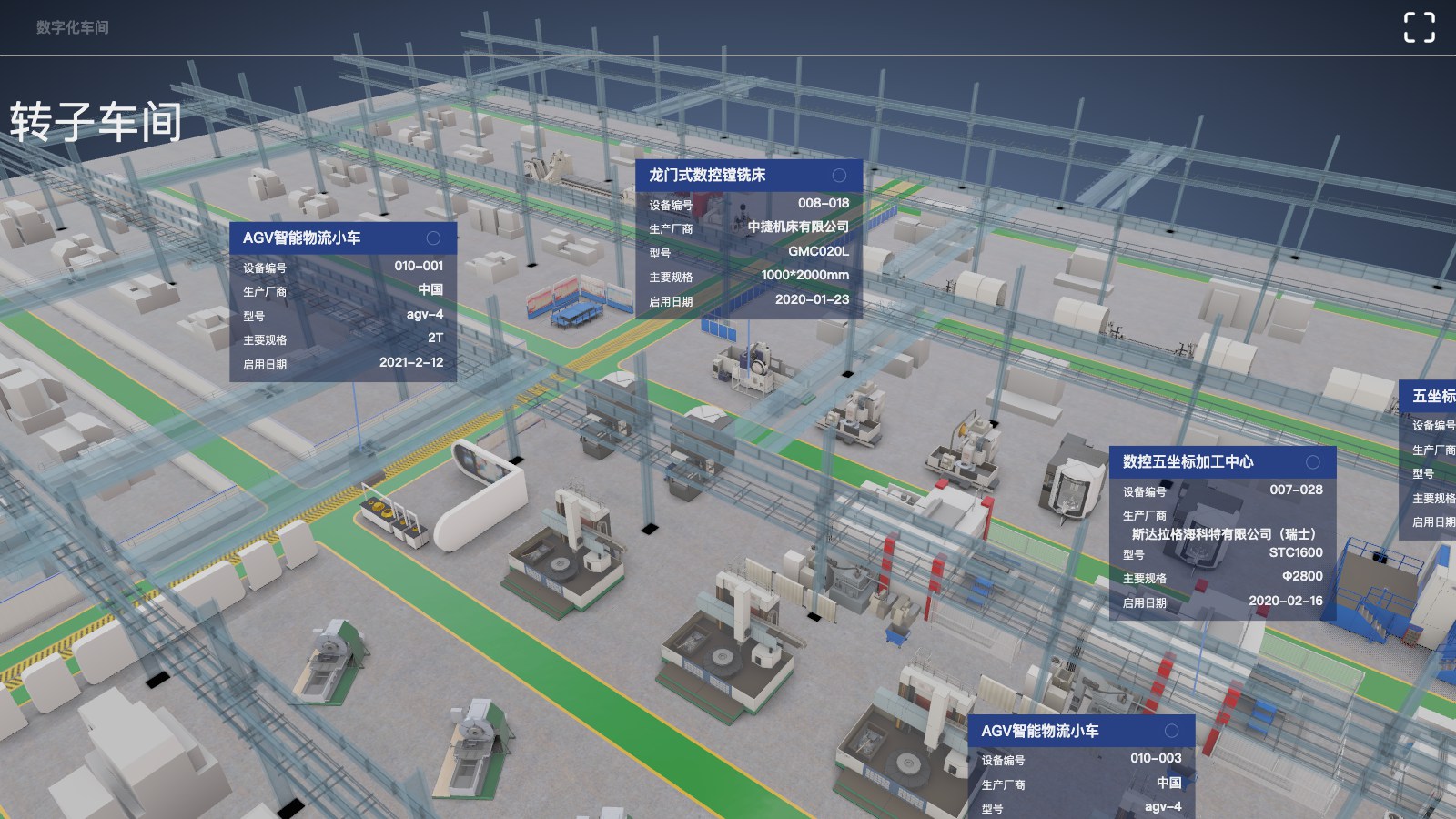
An industrial digital twin combines a structured 3D scene with live or scheduled operational data. We scope the model, data interfaces, status language and user roles together so the result supports monitoring and analysis rather than becoming a decorative factory model.
From 3D assets to business systems, every capability maps to a real use case.
Represent buildings, lines, machines and key assets with usable spatial context.
Connect approved data sources to equipment states, metrics, alarms and process views.
Make normal, warning, fault and offline states clear through consistent visual language.
Show line relationships, material flow, production stages and selected operational indicators.
Present different detail levels for management, operators, maintenance and customer demonstrations.
Optimize the scene and define a delivery architecture for control rooms, web portals or large displays.
We clarify product and business logic before building the model, interaction and integration layer.
Identify who uses the twin, what decisions they make and which status needs to be visible.
Convert CAD, BIM or existing 3D sources into a structured, web-ready factory scene.
Map equipment IDs, metrics, update frequency, alarm states and system ownership.
Develop navigation, filtering, drill-down, status states and process explanations.
Test data accuracy, response time, permissions and real workflows before phased rollout.
The 3D layer is tied to monitoring, maintenance, explanation or planning decisions.
Interfaces and identifiers are defined before visual states are implemented.
Start with a valuable area, line or equipment group and extend the twin over time.
Before development starts, we define measurable performance and delivery criteria around your models, devices, systems and business goals.
A 3D factory twin for equipment status, production progress and operational visibility.
View case ↗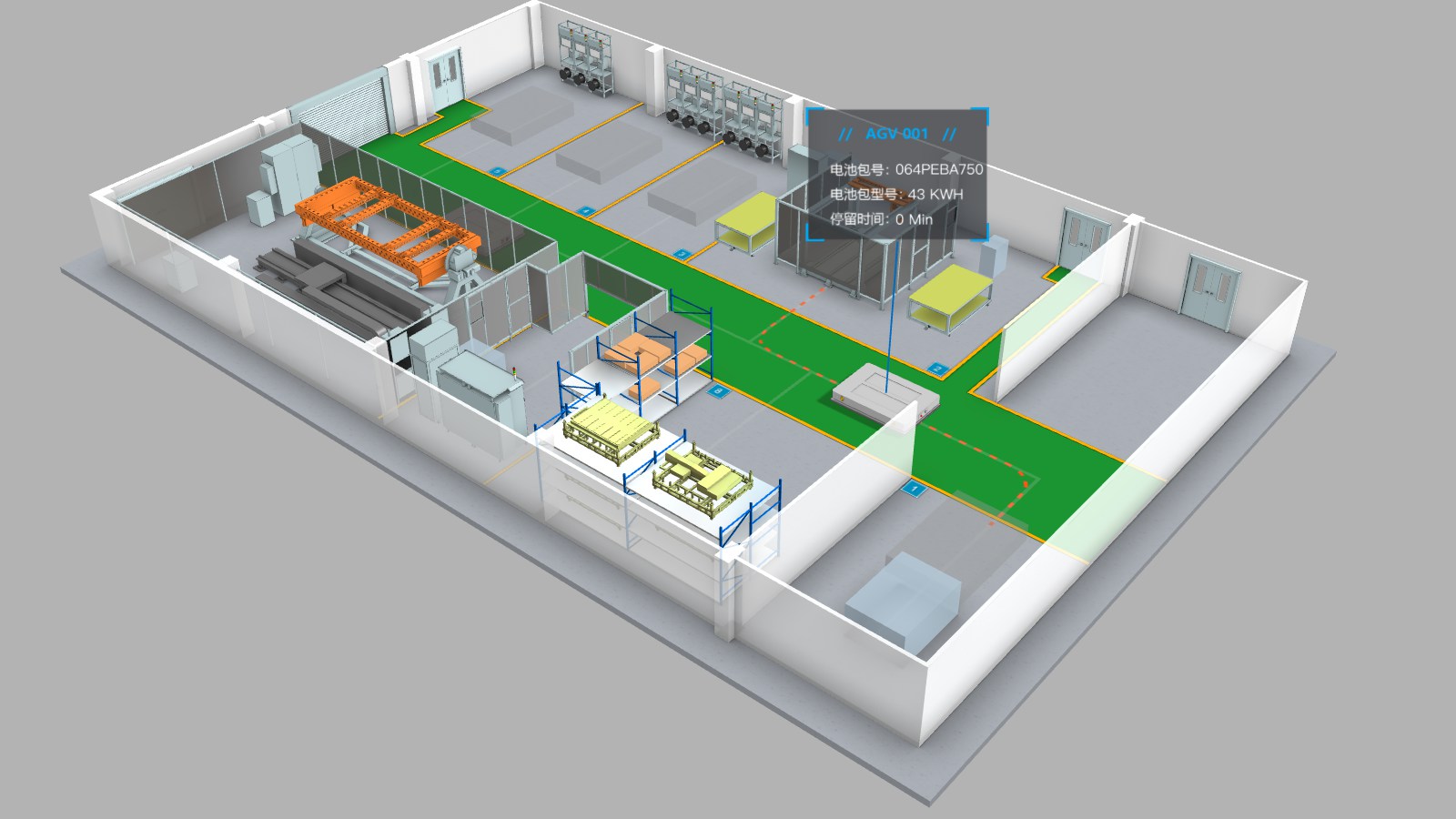
A Web3D production line dashboard for live status and exception awareness.
View case ↗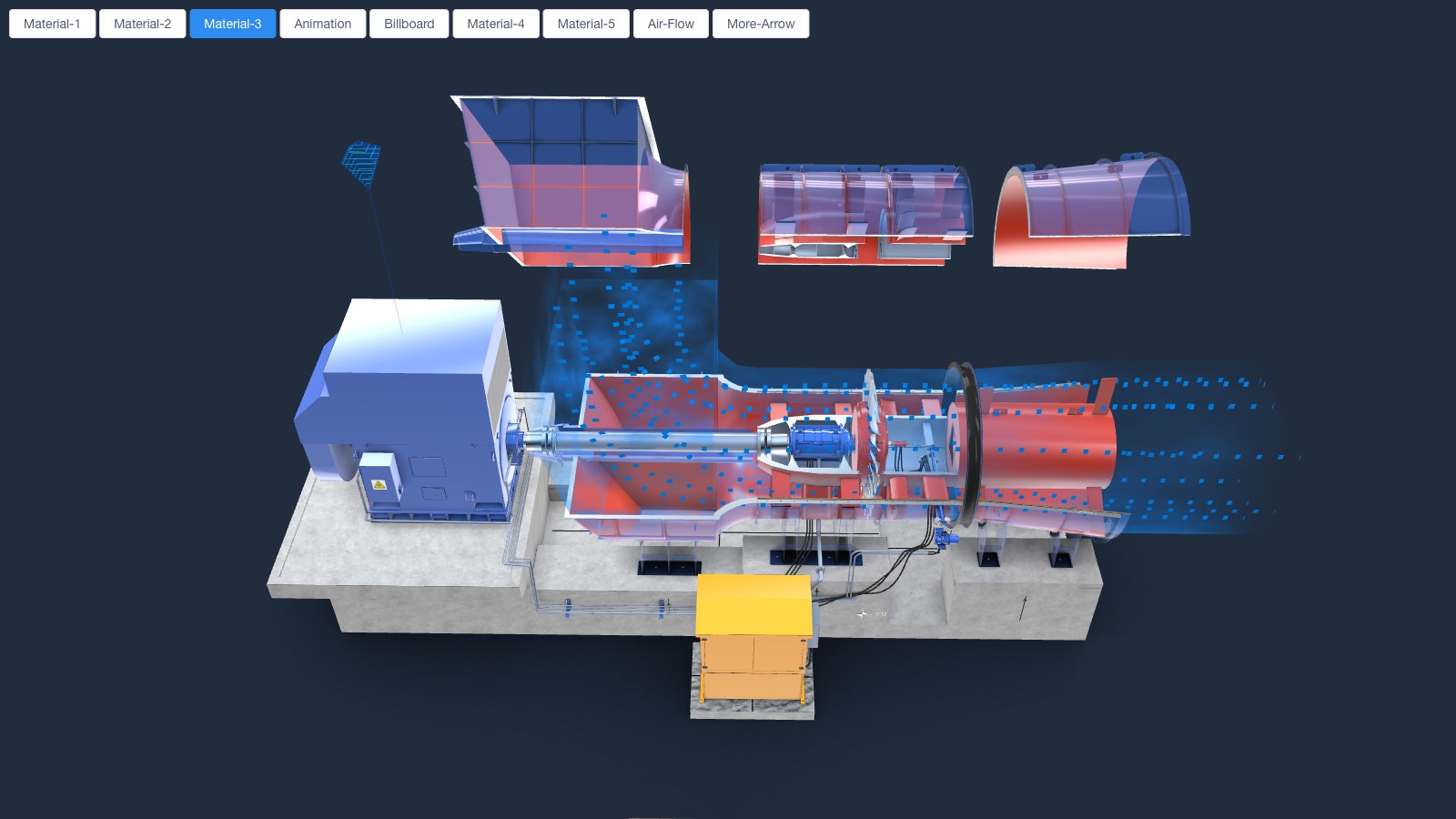
A 3D equipment experience combining structure, monitoring and maintenance training.
View case ↗These articles explain the technical choices, performance considerations and business workflows behind the solution.
Not always. Some projects start with scheduled or manually maintained data, while others require live telemetry. The right choice depends on the operational decision and source systems.
We can scope interfaces to approved systems and data contracts. Access, identifiers, update frequency and security requirements need to be confirmed during discovery.
Yes. A phased pilot for one line or equipment group is often the most practical way to validate value and data quality.
Share your factory scope, source systems and monitoring goals. We will help define a phased industrial digital twin plan.
Discuss a Digital Twin ↗